
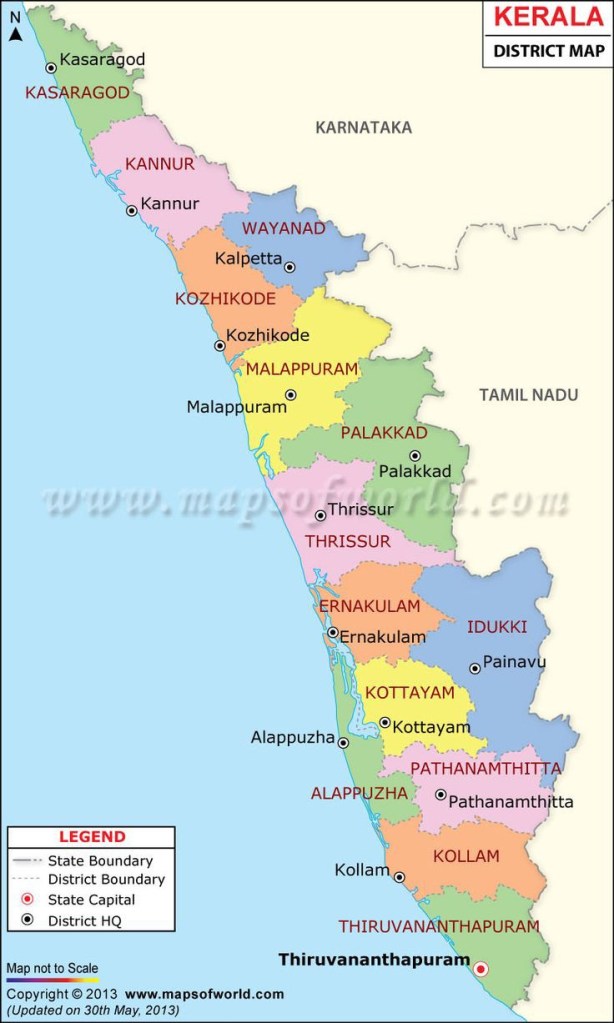
Kerala is a state in South India on the Malabar Coast. It was formed on 1 November 1956 following the States Reorganisation Act by combining Malayalam-speaking regions. Spread over 38,863 km2(15,005 sq mi), it is bordered by Karnataka to the north and northeast, Tamil Nadu to the east and south, and the Lakshadweep Sea to the west. With 33,387,677 inhabitants as per the 2011 Census, Kerala is the thirteenth-largest Indian state by population. It is divided into 14 districts with the capital being Thiruvananthapuram, which is the largest city in the state. Malayalam is the most widely spoken language and is also the official language of the state.
Climate:
The climate is hot tropical type. In the lowlands the mean monthly temperature remains in the neighbourhood of 26.7°C throughout the year. The mean of the maximum temperature in May is 32.2°C. And the mean of the minimum temperature recorded in December and January is 21.1°C.
There appears a dark thick clouds of the south-west monsoon during the months from the beginning of June to the end of September in coastal plain. In their attempt to cross the high Western Ghats the clouds rise and give heavy rainfall and droughts do not occur.
The inflow of a lot of moisture from sea causes March, April and May a sultry months. Thunder showers in the afternoon are common and they bring great relief to tea and other plantation crops.

Vegetation:
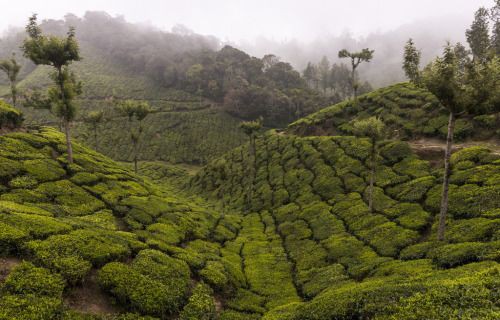
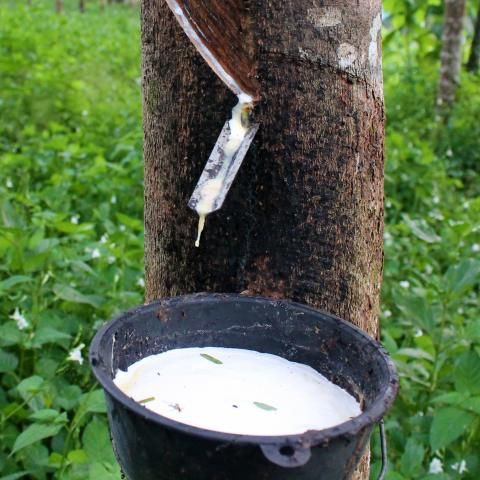
There is luxuriant tropical monsoon rain forest in lowland due to heavy rainfall and high temperature. Tropical wet evergreen forest has a thick tangled under-growth of climbers and epiphytes. In the hills, rubber, tea wattle and coffee have been introduced.Teak and rosewood plantations are a valuable source of timber in the hill. Forest covers 28 percent of the surface of this State. Teak, rosewood and mahogany are extracted from these forests for export.
Coconut:
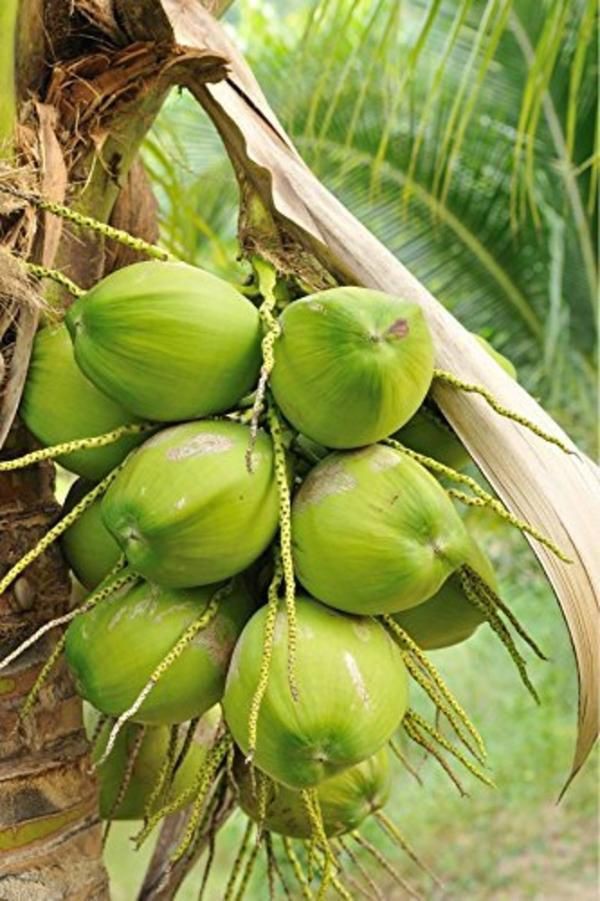
Kerala is a important coconut producing region of India. Kerala produces nearly two-thirds of total coconut produced in India. Light well-drained soils near the coast and along the fringes of the backwaters are particularly found suitable for raising coconut. The banks of the rivers canals are used for coconut production.
The industries are engaged in the extraction of oil from copra, production of coir from the husks after retting them for 6 to 10 months in the saline water of lagoons. Mats and ropes are made from fibres of coconut. Arecanut a cash crop is grown on light sandy alluvial soils.
Fishing:
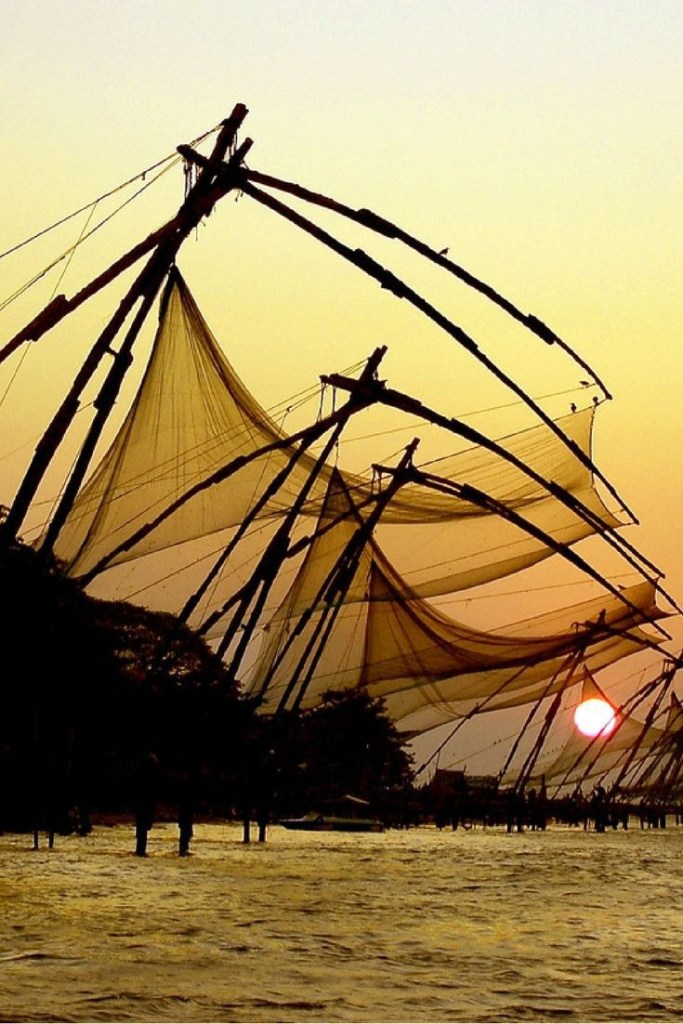
There are lakes’ lagoons and a number of rivers in Kerala They provide inland fisheries. Near the coast the continental shelf is shallow and consequently forms rich and extensive fishing ground. Numerous species of fish are caught from the sea. They are mackerel, soles, silver belties, shellfish, catfish, etc.
Lagoons and coastal waters are the habitats of shellfish. Species of shellfish which abound in these waters are prawn, shrimps and lobsters. The main fishing season in Kerala coincides with the summer monsoon rainy season (June to September). Frozen shrimps and lobsters are now exported from Cochin.
The backwater fisheries of this region are equally significant. Prawan and other fish enter the backwaters for spawning. As the backwaters are connected with the sea, the tidal inflow of sea-water makes it possible for the fish to enter the backwaters and lagoons, etc. providing the source of regular supply of prawns.
The peak prawn fishing season coincides with summer monsoon season. They are the important source of food item of the people. This State accounts for nearly 30 percent of the total marine catch in India. Shark-liver oil very rich in vitamins A and D is produced at Cochin and a few other places of the region.
 Site Title